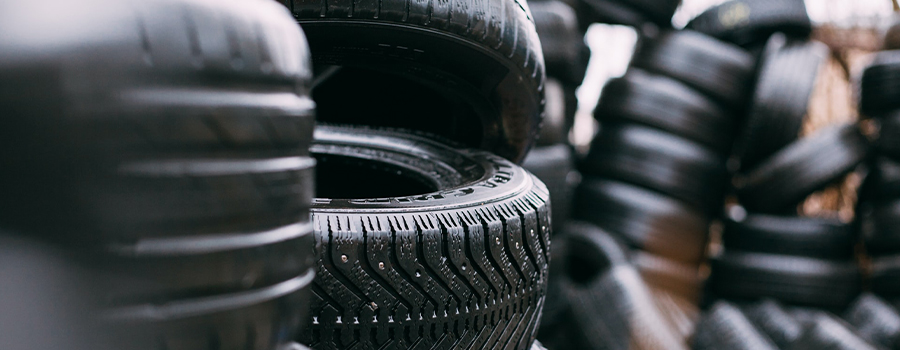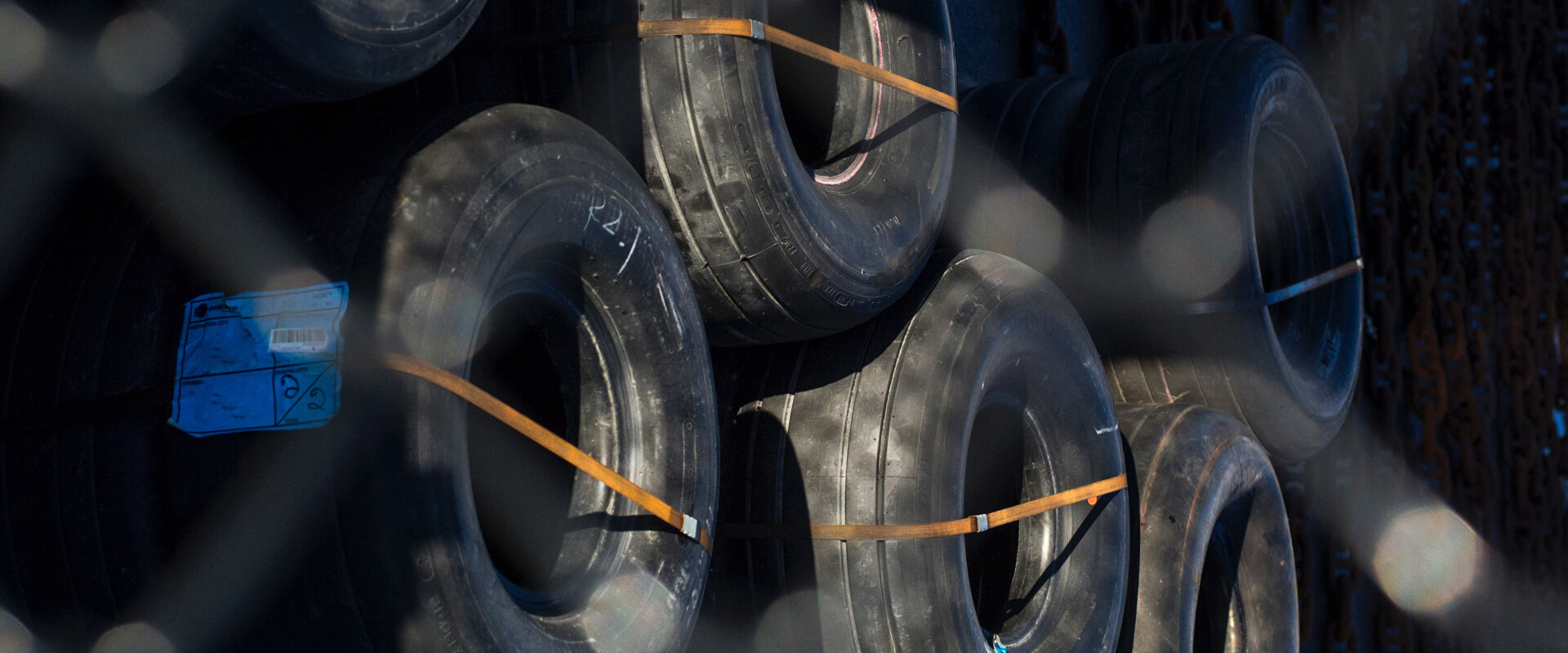
Rubber refers to a highly elastic polymer material with reversible deformation, which is elastic at room temperature, can produce large deformation under the action of a small external force, and can return to its original shape after removing the external force. Rubber is a completely amorphous polymer, its glass transition temperature (T g) is low, and its molecular weight is often large, greater than several hundred thousand.
Rubber is divided into natural rubber and synthetic rubber. Natural rubber is made by extracting colloid from rubber trees, rubber grass and other plants after processing; synthetic rubber is obtained by polymerization of various monomers. Rubber products are made of rubber rubber species as the matrix, and then equipped with other additives (auxiliaries) after a certain process treatment. With its unique structure, plus the characteristics of easy modification and processing, rubber has excellent properties that are incomparable and irreplaceable by other materials.。
The rubber processing process includes basic processes such as plasticizing, mixing, calendering or extrusion, molding and vulcanization. In order to add various required compounding agents to the rubber, the raw rubber needs to be plasticized to improve its plasticity first; then the carbon black and various rubber additives and rubber are uniformly mixed into a rubber compound by mixing; It is made into a certain shape blank; then it is combined with the calendered or glued textile material (or with metal material) to form a semi-finished product; finally, the plastic semi-finished product is made into a highly elastic final product after vulcanization .
Rubber products are widely used in all aspects of industry or life. Stable and reliable performance is the foundation to ensure the normal use of materials. Rubber products are widely used in transportation, industrial minerals, agriculture, forestry and water conservancy, military defense, civil construction, electrical communication, medical and health, culture, education and sports, daily necessities, commodity storage and other industries.
NOA has a central laboratory of 30,000 square meters, with organic laboratory, inorganic laboratory, physical and chemical laboratory, thermal analysis laboratory, mechanics laboratory, reliability laboratory, combustion laboratory, and weather resistance laboratory. It can provide one-stop analysis and testing services for raw material quality control, component analysis, foreign matter analysis, performance testing, and reliability testing for rubber materials.