Minor defect:
- A small scratch on the surface of a product that doesn't affect its functionality.
- Slight discoloration on a non-visible part of an item.
- Minor deviations in product dimensions within acceptable tolerances.
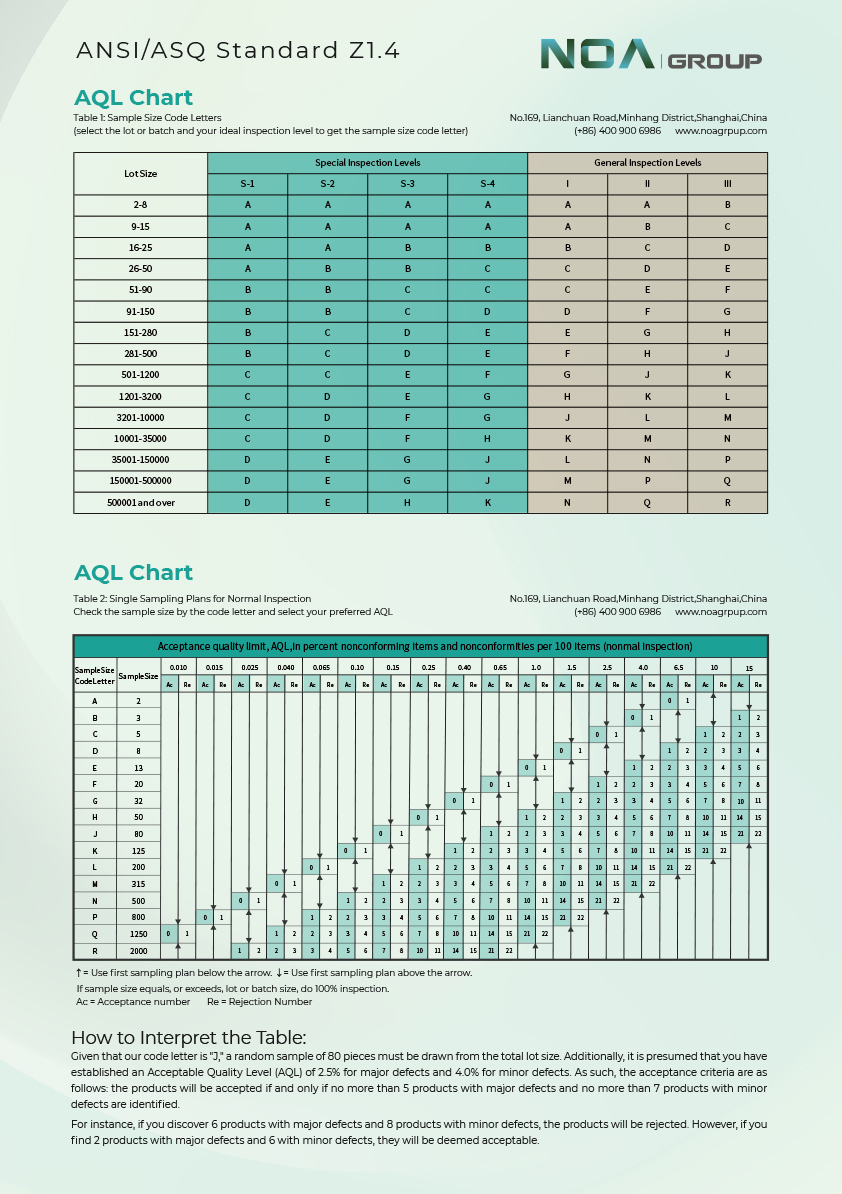
Example: In a batch of mobile phone cases with an AQL of 2.5, a few cases may have barely noticeable scratches on the back that don't impact their protective function.
Major defect:
-A manufacturing defect that affects the core functionality of a product.
-A missing or malfunctioning component that makes the product unusable.
-Severe cosmetic defects on visible parts of the product.
-Significant deviations from specified product specifications.
Example: In a shipment of electronic tablets with an AQL of 1.0, tablets that do not power on or have cracked screens would be considered major defects.
Critical defect:
Critical Defect
-Safety-related issues that pose a significant risk to consumers
-Regulatory compliance violations that could lead to product recalls or legal actions.
-Hazardous materials exceeding allowable limits.
-Any defect that could result in harm or serious consequences.
Example: In a batch of children's toys with an AQL of 0.1, the presence of small parts that pose a choking hazard to children would be considered a critical defect.



