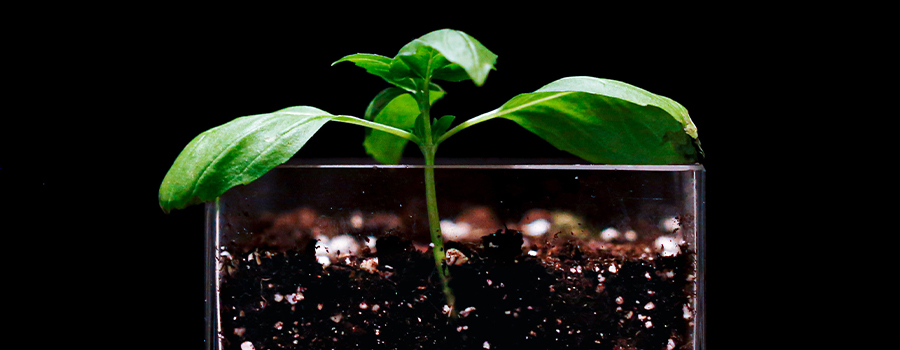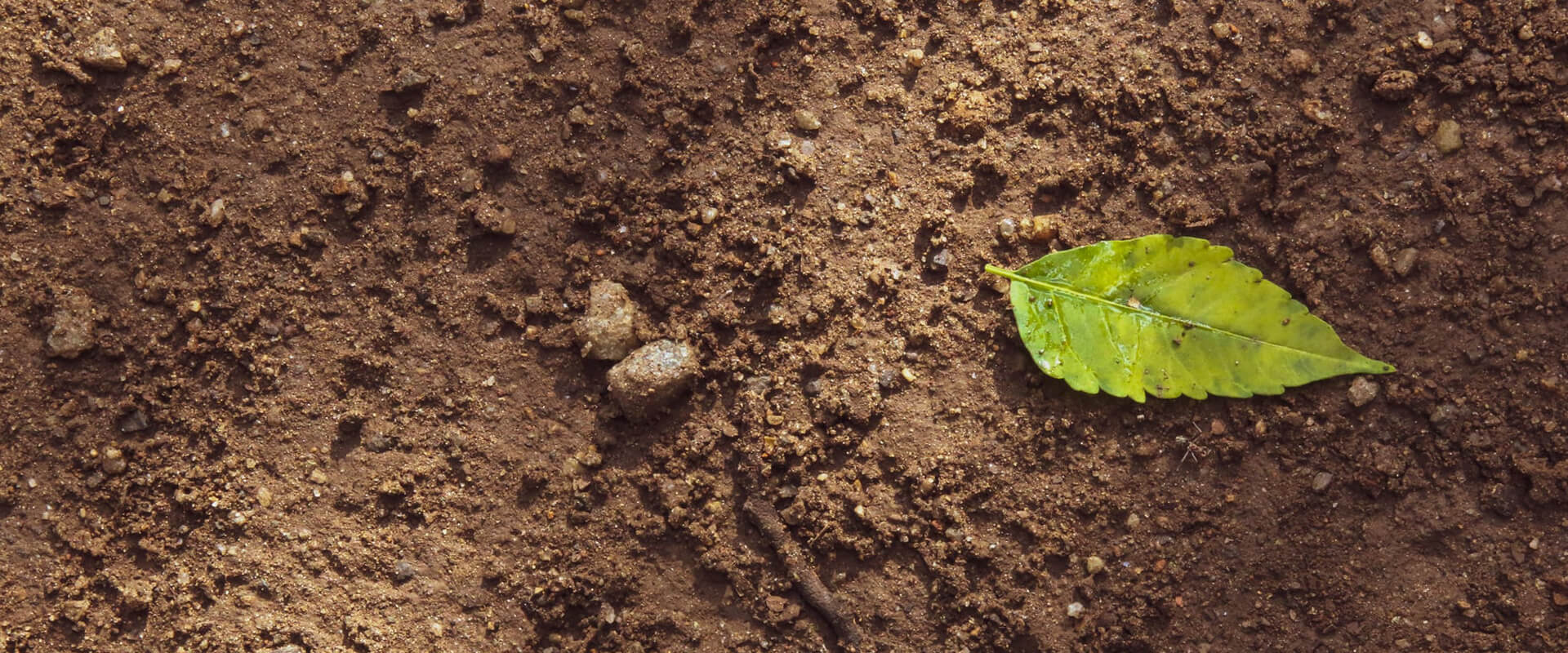
Soil refers to the loose surface of the land surface that is fertile and can grow plants.Pollutants generated by human activities enter the soil and accumulate to a certain extent, which will cause soil quality deterioration and cause some indicators in crops to exceed national standards.In recent years, China has paid increasing attention to environmental problems caused by soil pollution and solid waste pollution.
Soil pollution can be roughly divided into inorganic pollutants and organic pollutants.Inorganic pollutants mainly include acids, alkali, heavy metals, salts, strontium compounds, compounds containing arsenic, selenium, fluorine, etc. Organic pollutants mainly include organic pesticides, phenols, cyanide, petroleum, synthetic detergents, harmful microorganisms brought by urban sewage, sludge and stable fertilizer, etc.
Soil: soil and solid waste suitable for farmland, vegetable land, tea plantation, orchard, pasture, woodland, etc.
Submarine sediments and sludge: activated sludge, anaerobic sludge, domestic sewage sludge, industrial wastewater sludge, water supply sludge, humus sludge, chemical sludge, sedimentary sludge, etc.
Solid waste refers to solid, semi-solid and gaseous articles and substances produced in the process of production, living and other activities that have lost their original use value or have not lost their use value but have been abandoned or abandoned, as well as articles and substances included in waste management according to laws and administrative regulations. Liquid wastes that cannot be discharged into water and gaseous substances in containers that cannot be discharged into the atmosphere. Due to the greater harm, generally included in the solid waste management system.
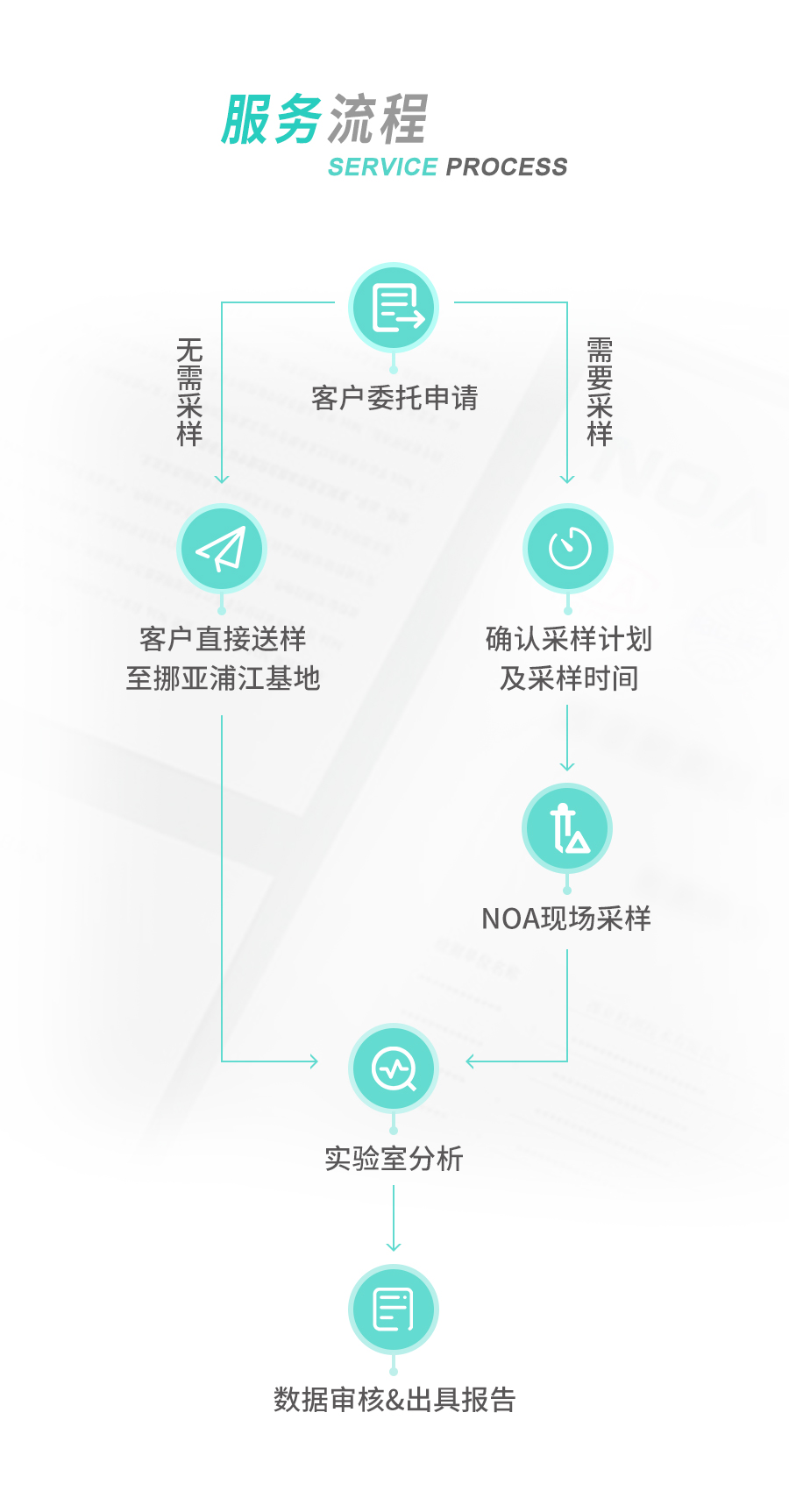
NOA can provide soil and solid waste testing services, and provide data and technical support for all parties.